The term “grease trap” is likely familiar to everyone who has a café, restaurant, or kitchen used for commercial purposes in Australia. But just what is it, and how important is it to running business operations?
A grease trap is a plumbing appliance that traps and separates waste fat, oils, and grease (known as FOG) before entering the sewerage system. Without it, your plumbing system will be forced into shutdown, incur expensive blockages, and may even be fined by the environment.
Let us put a spotlight on grease trap operations, grease trap needs, and the link of Citi Industries to Australian companies when it comes to ongoing compliance and efficiency.
Why Grease Traps Matter in Commercial Kitchens
FOG will find its way into your wastewater when you cook with oil, wash dishes, or clean greasy surfaces. Over time, grease hardens, adhering to pipes and causing clogging that wreaks havoc on public sewer systems and poses operational difficulties.
This is what grease traps are doing for your kitchen:
- Waste separation: It allows wastewater to stay long enough for solids to settle down and grease to float up.
- Protecting the infrastructure: It saves the pipes from clogging and emergency plumbing procedures that will cost you.
- Compliance with regulations: It helps your business fulfill requirements enforced by the water authority and local council.
- The green thing: Grease traps keep the fats and grease out of the waterways, therefore protecting the environment.
How Does a Grease Trap Work?
Now that you know what grease traps are, let’s discuss how they work. The principle applies to something large on the ground or a mini one under the sink.
Step-by-Step Process:
- Wastewater Influx: Grease traps admit wastewater into their system through dishwashers and sink drains.
- FOG Separation: As the system slows down, food particles will settle to the bottom while oils and fats will rise to the top.
- Grease Capture: The middle layer of relatively clean water is discharged into the sewer system.
- Clearing Cycle: After a while, any sludge and grease build-up must be removed, either by manual labour or mechanical processes.
The process extends the life of your pipes and keeps you within specifications by guaranteeing that only cleaner water floods the municipal drains.
Types of Grease Traps
When answering what a grease trap is, it’s helpful to know the types available. Your business size, kitchen output, and available space will determine the right option.

1. Passive Grease Traps
Also known as traditional or manual grease traps, these are usually made of stainless steel or plastic and installed under sinks or outside buildings. They’re simple, affordable, and ideal for small to medium businesses.

2. Automatic Grease Removal Units (AGRUs)
AGRUs are high-tech systems that skim grease into an external container for easy disposal. They’re efficient and suitable for high-volume kitchens.

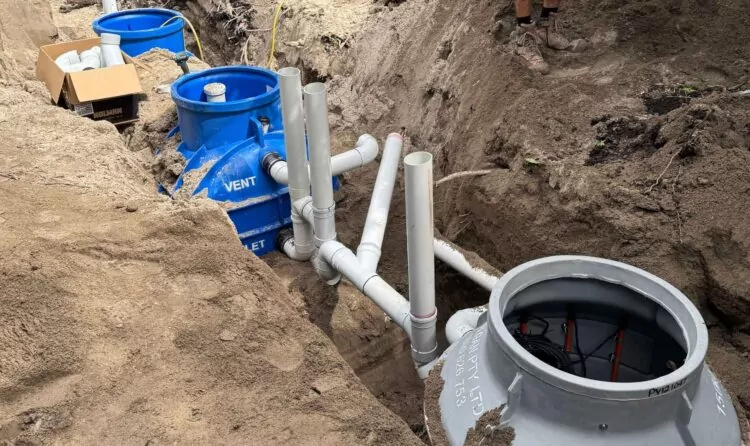
3. Gravity Grease Interceptors
Installed underground, these large tanks suit bigger establishments or venues with multiple kitchen drains. They require scheduled pump-outs and professional servicing.
Who Needs a Grease Trap in Australia?
If your company cooks or serves food, you probably need a grease trap. Councils and water authorities throughout Australia require their use to reduce FOG pollution.
Businesses That Require Grease Traps:
- Restaurants and cafés
- Bakeries and takeaways
- Commercial kitchens
- Butcheries and seafood outlets
- Aged care facilities and hospitals
- School and university canteens
Still unsure what grease trap requirement is for your business? Citi Industries can assess your kitchen setup and local compliance standards to recommend the right solution.
Installing and Complying with Grease Traps
Grease trap installation is not a do-it-yourself task. To make sure your system complies with council, plumbing, and health codes, you need a qualified expert.
Key Considerations:
- Sizing: The trap must match the kitchen’s flow rate and volume.
- Placement: Proper location is critical to performance and ease of maintenance.
- Access: Grease traps must be easy to service and clean.
- Compliance: Each council has its own trade waste and plumbing rules.
At Citi Industries, we provide a tailored installation plan, including site evaluation, sizing, compliance advice, and long-term maintenance support.
Maintaining a Grease Trap: What You Need to Know
Understanding what a grease trap is goes beyond installation — maintenance is crucial to keeping your kitchen running smoothly.
How Often Should It Be Cleaned?
- Small units (under-sink): Every 1 to 4 weeks
- Large interceptors: Every 1 to 3 months
- AGRUs: Weekly or as per the manufacturer’s instructions
Signs It Needs Cleaning:
- Unpleasant odours
- Slow drainage
- Overflow or back-up
- Noticeable grease layer
Neglecting maintenance can lead to hefty fines, pipe blockages, and even business closures. Citi Industries offers scheduled servicing to keep your trap in peak condition.
The Environmental Benefits of Grease Traps
Let’s not forget the bigger picture. A properly functioning grease trap isn’t just about avoiding plumbing issues — it plays a part in protecting Australia’s natural environment.
Here’s what is grease trap doing for the planet:
- Preventing FOG from entering rivers and oceans
- Reducing wastewater treatment costs
- Supporting council waste-to-energy programs that recycle collected grease
By investing in a reliable grease trap, you’re helping reduce your carbon footprint while staying compliant.
Why Choose Citi Industries for Your Grease Trap Needs?
At Citi Industries, we understand the everyday demands of food businesses across Australia. We’ve helped cafés, commercial kitchens, and institutions answer what is grease trap and implement cost-effective, regulation-ready solutions.
Our Services Include:
- Site inspections and assessments
- System design and recommendations
- Installation by licensed professionals
- Maintenance plans and emergency servicing
- Compliance support and documentation
We simplify the process so you can focus on what matters most — running your business.
Final Thoughts: What Is Grease Trap and Why It Matters
So, what is a grease trap? It’s more than a box under your sink — it’s your first line of defence against costly plumbing issues, legal penalties, and environmental damage.
If you’re setting up a new kitchen or upgrading an old one, speak to the experts at Citi Industries. We’ll help you find the best grease trap solution that’s compliant, cost-effective, and built to last.
Need help choosing the right grease trap for your kitchen?
Contact Citi Industries today for expert guidance, installation, and ongoing maintenance that keeps your kitchen clean and council-approved.


 1300 002 484