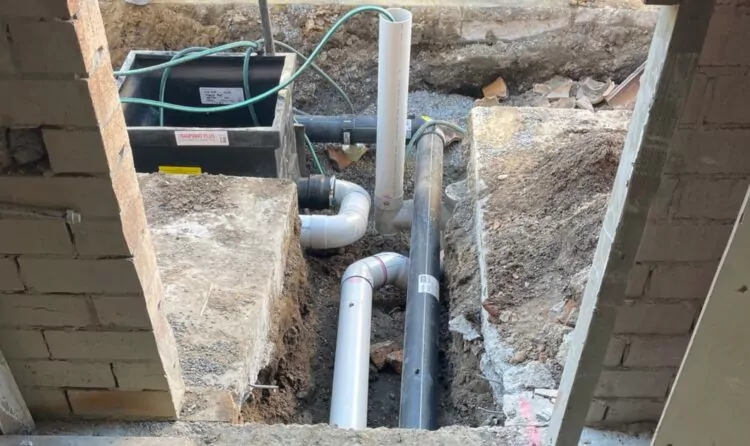
Maintaining the integrity and functionality of plumbing systems is crucial for the smooth operation of any commercial property. From office buildings and retail centres to industrial facilities, regular plumbing maintenance is essential in preventing costly repairs, ensuring safety, and promoting a healthy environment. This article discusses the numerous benefits of consistent plumbing maintenance and highlights common issues that can be effectively prevented through proactive measures.
Benefits of Regular Plumbing Maintenance
1. Cost Savings
One of the most compelling reasons to invest in regular plumbing maintenance is the significant cost savings it can offer. Plumbing issues, when left unchecked, can escalate into major problems that require extensive and expensive repairs. Routine inspections and maintenance allow for the early detection and resolution of minor issues, preventing them from developing into costly emergencies.
2. Enhanced Safety
Commercial properties must adhere to strict health and safety standards. Regular plumbing maintenance helps ensure that all plumbing systems comply with these regulations, minimising the risk of hazards such as leaks, water contamination, and structural damage. By maintaining a safe environment, businesses can protect their employees, customers, and assets.
3. Improved Efficiency
Efficient plumbing systems are vital for the smooth operation of any commercial property. Regular maintenance ensures that pipes, fixtures, and equipment are functioning optimally, which can lead to reduced water and energy consumption. This not only lowers utility bills but also contributes to the property’s overall sustainability efforts.
4. Extended Lifespan of Plumbing Systems
Just like any other mechanical system, plumbing systems have a finite lifespan. However, regular maintenance can significantly extend this lifespan. By addressing wear and tear, replacing worn components, and preventing blockages, property owners can ensure their plumbing systems remain operational for longer, thereby delaying the need for costly replacements.
5. Minimised Disruptions
Plumbing emergencies can be highly disruptive to business operations. Burst pipes, clogged drains, or sewage backups can lead to temporary closures, lost revenue, and reputational damage. Regular plumbing maintenance helps to identify and address potential issues before they cause significant disruptions, ensuring business continuity.
Common Issues Prevented by Regular Plumbing Maintenance
1. Leaks and Drips
Leaks are one of the most common plumbing issues in commercial properties. They can occur in pipes, fixtures, or connections and, if not addressed promptly, can lead to water damage, mould growth, and increased water bills. Regular maintenance helps to identify and fix leaks early, preventing these problems from escalating.
2. Clogged Drains
Clogged drains can cause a range of issues, from slow drainage to complete blockages that can result in flooding. Regular maintenance, including drain cleaning and inspection, helps to keep drains clear and prevent blockages. This is especially important in commercial kitchens and bathrooms, where grease, food particles, and other debris can accumulate quickly.
3. Sewage Backups
Sewage backups are not only unpleasant but also pose serious health risks. Regular inspection and maintenance of sewer lines can help to prevent backups by identifying and addressing issues such as tree root intrusion, blockages, or damaged pipes. Ensuring the proper functioning of sewer lines is crucial for maintaining a hygienic environment.
4. Water Pressure Issues
Inconsistent or low water pressure can be a significant inconvenience in commercial properties, affecting everything from daily operations to customer satisfaction. Regular plumbing maintenance includes checking and adjusting water pressure to ensure it remains within the optimal range. This helps to prevent issues such as pipe bursts or inadequate water supply to fixtures and equipment.
5. Corrosion and Rust
Over time, pipes and fixtures can corrode or rust, leading to leaks, reduced water quality, and potential system failures. Regular maintenance helps to identify and address corrosion early, often through techniques such as pipe relining or the application of anti-corrosion treatments. This extends the lifespan of plumbing systems and ensures a consistent supply of clean water.
6. Malfunctioning Fixtures and Equipment
Fixtures and equipment such as taps, toilets, water heaters, and pumps are essential components of a commercial plumbing system. Regular maintenance ensures these elements are functioning correctly and efficiently. This not only prevents unexpected breakdowns but also improves the overall performance and reliability of the plumbing system.
Implementing a Regular Plumbing Maintenance Plan
To maximise the benefits of regular plumbing maintenance, commercial property owners and managers should consider implementing a comprehensive maintenance plan. This plan should include:
- Scheduled Inspections: Regular inspections by qualified plumbers to identify and address potential issues before they become major problems.
- Preventive Measures: Routine tasks such as drain cleaning, water pressure adjustment, and the application of anti-corrosion treatments.
- Documentation: Keeping detailed records of maintenance activities, inspections, and repairs to track the condition of the plumbing system over time.
- Professional Services: Partnering with a reliable plumbing maintenance service provider to ensure consistent and high-quality maintenance.
By investing in regular plumbing maintenance, commercial property owners can safeguard their properties, enhance operational efficiency, and avoid costly repairs. This proactive approach not only ensures the longevity and reliability of plumbing systems but also contributes to a safe and healthy environment for all occupants.
In conclusion, regular plumbing maintenance is an essential aspect of managing commercial properties. The benefits, including cost savings, enhanced safety, improved efficiency, extended system lifespan, and minimised disruptions, far outweigh the investment required.
By preventing common issues such as leaks, clogs, sewage backups, water pressure problems, corrosion, and equipment malfunctions, property owners can ensure the smooth and efficient operation of their facilities. Implementing a regular maintenance plan is a prudent step towards achieving these goals and maintaining the overall health and functionality of commercial plumbing systems.


 1300 002 484