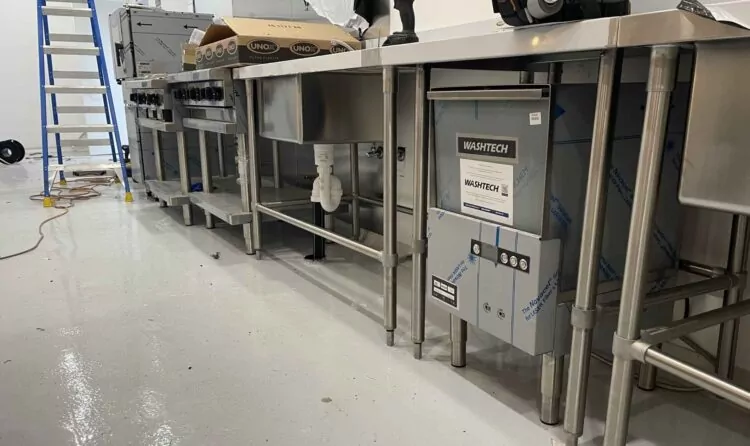
Mobile kitchens are major points of delivery in adequate and effective food services. It also provides immediate and movable fresh food. Temporary kitchen setups match with mobility and flexibility; nevertheless, their operational efficiency is challenged by the amount of food waste and used grease that are generated during food preparation. The high consumption of grease after food preparations necessitates the need to devise strong solutions to waste management. Greases and fats will accumulate, the growth of unsanitary odours will lead to unpleasant smells, and clog pipes will be present, resulting in affecting public health and safety.
This is where grease traps prove their worth: a necessary protection for every portable kitchen installation. Grease traps are separators of fats, oils, and greases from the wastewater runoff, which promote hygiene at the sewage and plumbing infrastructures as well as compliance with the applicable environmental and health regulations. They serve functions in kitchen operations by facilitating unhindered running and reducing maintenance costs.
This article will look at the significance of grease traps in accommodating portable kitchens at construction sites. In parallel, we will elaborate on grease traps: their benefits, forms and upkeep · emphasis on how quality equipment and installation can improve waste management and provide optimal operation of these interim kitchens so these sustainable practices can become dequeued.
Why Are Grease Traps Essential for Portable Kitchens?
Grease traps are installed to trap the fats, oils, and grease (FOG) elements of wastewater before it enters the drain or sewer system. According to Portable kitchens operate at building sites under tough conditions where grease traps play a very important role in:
- Maintaining Hygiene Standards
Grease build-up can result in discomfort and unsanitary environments, which can be particularly harmful in a food preparing atmosphere. Grease traps efficiently separate harmful grease and oils from wastewater, helping to keep systems clean and free from harmful bacteria and buildup. - Ensuring Regulatory Compliance
The sites must comply with local waste management regulations. A grease trap system that is effectively designed is compliant because it stops grease from congesting the sewer lines and polluting the environment. - Protecting Plumbing Systems
FOG accumulation in pipes can result in blockages and expensive remedy, if there is not a grease trap in place. Grease traps prevent grease and fats from clogging the plumbing system and causing serious damage to pipes and sewage systems.
Benefits of Grease Traps in Portable Kitchen Setups
Portable kitchen systems focus on flexibility and efficiency in convenience setup. When such a kitchen incorporates a grease trap, it brings with it these benefits:
- Adaptability to Various Locations
Building sites often have temporary plumbing setups. Easy to install and adaptable to different locations, portable grease traps make the ideal grease traps in these agile settings. - Improved Wastewater Management
Having a grease trap installed allows portable kitchens to effectively handle wastewater, minimising their environmental footprint and promoting more seamless operations. - Enhanced Operational Efficiency
By preventing blockages and foul smells, grease traps contribute to an uninterrupted workflow in portable kitchens, allowing staff to focus on food preparation rather than plumbing issues.
For more information about grease traps, visit our detailed guide on grease trap.
Types of Grease Traps for Portable Kitchens
Choosing the right grease trap for a portable kitchen depends on factors like kitchen size, the volume of wastewater, and the type of food prepared. Here are some commonly used types:
- Passive Grease Traps
- How They Work: Passive traps use a series of baffles to slow wastewater flow, allowing FOG to rise to the top and be trapped.
- Advantages: Low-cost and simple to install.
- Suitability: Ideal for smaller portable kitchens with moderate grease output.
- Automatic Grease Removal Units (AGRU)
- How They Work: AGRUs automatically separate and remove grease from wastewater, offering greater efficiency.
- Advantages: Reduced maintenance requirements and consistent performance.
- Suitability: Best for high-capacity portable kitchens at larger building sites.
- Grease Interceptors
- How They Work: These larger systems are installed outside the kitchen to handle higher volumes of wastewater.
- Advantages: Ideal for setups with heavy grease loads and long operational hours.
- Suitability: Suitable for commercial kitchens requiring a robust solution.
Need help selecting the right grease trap? Contact us today for expert advice tailored to your needs.
Installation and Maintenance Considerations
Proper installation and maintenance of grease traps are critical to their performance. Here’s what to keep in mind:
- Installation Guidelines
- Ensure the grease trap is appropriately sized for the kitchen’s waste output.
- Position the trap as close as possible to the kitchen’s wastewater source to maximise efficiency.
- Follow local regulations regarding placement and drainage connections.
- Maintenance Practices
- Regular Cleaning: Grease traps should be cleaned regularly to prevent overflows and maintain efficiency.
- Inspections: Periodic inspections help identify issues like blockages or wear and tear.
- Professional Servicing: Engage professionals for thorough cleaning and repairs to extend the trap’s lifespan.
To understand more about cleaning and maintaining grease traps, check out this detailed guide on commercial kitchen grease traps.
Portable Kitchens on Building Sites: Why Grease Traps Are Non-Negotiable
Building sites often function in remote areas with minimal infrastructure, making portable kitchens a convenient solution for feeding workers. However, the high grease output from cooking activities necessitates the use of grease traps to:
- Prevent drainage issues in temporary plumbing setups.
- Maintain compliance with environmental and health regulations.
- Safeguard the surrounding ecosystem by preventing grease contamination.
For building sites looking to implement portable kitchen solutions, having a robust grease trap system ensures smooth operations and reduces the risk of environmental liabilities. Explore our range of portable kitchen solutions here.
Key Takeaways: The Role of Grease Traps in Portable Kitchen Setups for Building Sites
- Essential for Hygiene and Compliance
Having grease traps is an ultimate guarantee for hygiene, deodorization, and proper waste management regulations on building sites. They make safe and clean food preparation areas available for portable kitchens. - Protect Plumbing Systems
It collects fats, oils, and grease (FOG) from wastewater to avoid plumbing blockage, thus reducing the risk of expensive repairs and ensuring smooth work activity in temporary kitchen setups. - Adaptable Solutions for Dynamic Environments
Grease traps installation constitutes portable kitchens to decrease the level of impact on the environment through lowering grease contamination and promoting excellent waste management. - Variety of Options to Suit Needs
Grease traps are divided into the different types of passive systems, automatic grease removal units (AGRU), or grease interceptors. Each of them can be used for a specific kitchen size, output of grease level, and operation of both kitchen and its owner. - Prioritise Installation and Maintenance
Proper sizing, installation, and maintenance of grease traps are achieved to optimize performance. This is done through regular cleaning, inspections, and professional servicing.
Installing the appropriate grease trap system is a realistic approach to improving efficiency and sustainability in portable kitchen setups in builds sites.
Final Thoughts
Grease traps are an indispensable part of portable kitchen setups, and are used extensively in the high-pressure environment of building sites. Not unlike water filtration equipment that helps in maintaining hygiene and compliance, they protect the plumbing systems and ensure smooth cooking operations of portable kitchens. Selecting the appropriate grease trap and ensuring proper installation and maintenance can enhance both operational efficiency and sustainability for your business.
This is true for both small food service operations and large commercial kitchens: making a smart investment in grease trap systems is a key aspect of responsible and effective waste management. Contact us today, and we’ll assist you in choosing the right grease trap for your portable kitchen.


 1300 002 484